
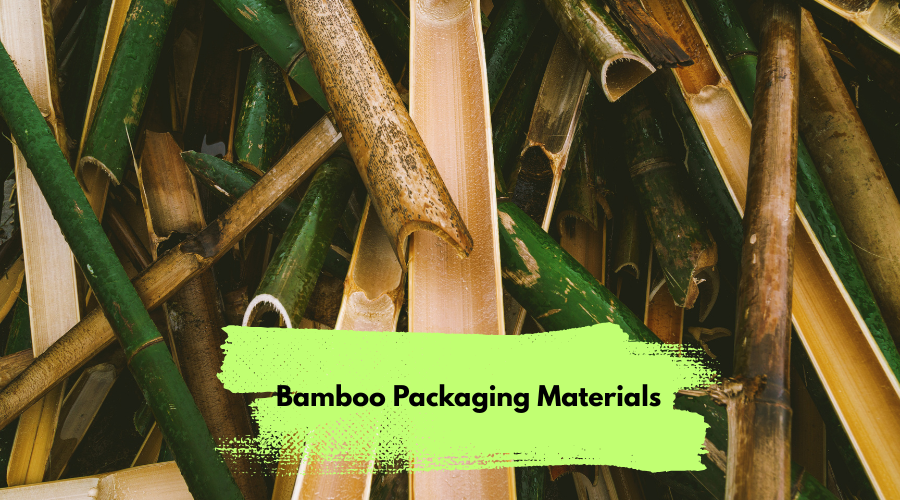
As businesses and consumers become more environmentally conscious, the demand for sustainable packaging has increased dramatically. Companies are looking for materials that reduce environmental impact without compromising quality, durability, or appearance. One material that has gained significant attention is bamboo packaging.
But what exactly are bamboo packaging materials? How are they made? Are they suitable for commercial packaging?
This guide explains everything you need to know about bamboo packaging materials, including their manufacturing process, advantages, limitations, applications, and why they are becoming a preferred choice for businesses worldwide.
What Are Bamboo Packaging Materials?
Bamboo packaging materials are packaging products manufactured from bamboo fibers, bamboo pulp, or processed bamboo. Since bamboo is one of the fastest-growing plants on Earth, it serves as an excellent renewable alternative to plastic, wood, and certain paper-based packaging materials.
Unlike traditional packaging materials that require decades to regenerate, bamboo reaches maturity within 3–5 years, making it a highly renewable resource.
Today, bamboo is used to manufacture:
- Bamboo food containers
- Bamboo paper packaging
- Bamboo trays
- Bamboo boxes
- Bamboo shipping inserts
- Bamboo fiber molded packaging
- Bamboo cosmetic packaging
- Bamboo gift packaging
- Bamboo disposable tableware
- Protective bamboo cushioning materials
Its combination of strength, sustainability, and natural appearance makes bamboo an attractive packaging material for many industries.
Why Is Bamboo Considered an Eco-Friendly Packaging Material?
One of the biggest reasons companies choose bamboo packaging is its environmental benefits.
Bamboo naturally grows without requiring extensive pesticides or fertilizers. It absorbs significant amounts of carbon dioxide while releasing oxygen, contributing positively to the environment.
Additionally, bamboo has an extensive root system that remains intact after harvesting, allowing the plant to regenerate without replanting.
Some key sustainability advantages include:
- Rapid renewability
- Lower carbon footprint
- Biodegradable properties
- Composability under suitable conditions
- Reduced dependence on petroleum-based plastics
- Minimal agricultural inputs
These characteristics make bamboo an ideal material for businesses pursuing sustainability goals.
How Are Bamboo Packaging Materials Made?
The production process varies depending on the final packaging product.
1. Bamboo Harvesting
Mature bamboo stalks are harvested after approximately 3 to 5 years.
2. Cleaning and Processing
The harvested bamboo is cleaned thoroughly to remove dirt, bark, and impurities.
3. Fiber Extraction
Manufacturers separate bamboo fibers using mechanical or chemical pulping methods.
These fibers become the raw material for paper-based or molded packaging products.
4. Pulp Formation
The fibers are converted into pulp, similar to paper manufacturing.
5. Molding or Shaping
Depending on the product, the pulp is molded into:
- Food trays
- Protective inserts
- Packaging boxes
- Containers
- Cups
- Plates
Alternatively, processed bamboo sheets can be cut and assembled into rigid packaging.
6. Drying and Finishing
Products are dried, trimmed, and sometimes coated with food-safe or moisture-resistant finishes before packaging and shipping.
Types of Bamboo Packaging Materials
Businesses can choose from several bamboo packaging solutions depending on their products.
Bamboo Fiber Molded Packaging
This type is created from bamboo pulp and molded into protective shapes.
Common applications include:
- Electronics packaging
- Cosmetic packaging
- Medical products
- Glass bottle protection
Bamboo Paper Packaging
Bamboo pulp is processed into paper used for:
- Shopping bags
- Wrapping paper
- Paper boxes
- Product sleeves
- Labels
Bamboo Food Containers
Restaurants and food manufacturers increasingly use bamboo containers because they are durable and compostable.
Suitable for:
- Takeaway meals
- Fresh produce
- Bakery items
- Meal preparation
Bamboo Gift Boxes
Luxury brands often choose bamboo gift boxes due to their premium appearance and sustainability.
Common industries include:
- Jewelry
- Cosmetics
- Premium foods
- Corporate gifts
Bamboo Disposable Tableware
This includes:
- Plates
- Bowls
- Cups
- Cutlery
- Serving trays
These products help replace single-use plastics in food service businesses. For more detail learn more about bamboo business trends.
Benefits of Bamboo Packaging Materials
1. Sustainable Resource
Bamboo regenerates much faster than trees, making it one of the most renewable packaging materials available.
2. Biodegradable
Many bamboo packaging products naturally decompose under composting conditions, reducing landfill waste.
3. Strong and Durable
Despite being lightweight, bamboo fibers provide impressive strength.
This makes bamboo suitable for shipping and protective packaging.
4. Lightweight
Lower package weight helps reduce transportation costs while maintaining product protection.
5. Attractive Natural Appearance
The natural texture and color of bamboo create an environmentally friendly brand image.
Luxury brands particularly appreciate its premium look.
6. Lower Plastic Usage
Using bamboo reduces dependence on petroleum-based plastics and supports corporate sustainability initiatives.
7. Excellent Brand Value
Consumers increasingly prefer brands that invest in environmentally responsible packaging.
Using bamboo packaging can improve customer perception and strengthen brand reputation.
Industries Using Bamboo Packaging
Many industries have adopted bamboo packaging due to its versatility.
These include:
| Industry | Common Bamboo Packaging |
| Food & Beverage | Containers, trays, bowls |
| Cosmetics | Gift boxes, molded inserts |
| Electronics | Protective molded packaging |
| Healthcare | Disposable trays, packaging |
| Retail | Shopping bags, boxes |
| E-commerce | Protective inserts, shipping materials |
| Gifts | Luxury presentation boxes |
| Hospitality | Disposable tableware |
Bamboo Packaging vs Plastic Packaging
| Feature | Bamboo Packaging | Plastic Packaging |
| Renewable | Yes | No |
| Biodegradable | Often Yes | Usually No |
| Compostable | Many Products | Rare |
| Carbon Footprint | Lower | Higher |
| Natural Appearance | Excellent | Limited |
| Plastic-Free | Yes | No |
| Recycling | Depends on Product | Depends on Plastic Type |
For businesses seeking sustainable alternatives, bamboo offers significant environmental advantages over conventional plastics.
Bamboo Packaging vs Paper Packaging
Although both are sustainable, there are notable differences.
| Bamboo Packaging | Paper Packaging |
| Faster renewable source | Depends on trees |
| Strong natural fibers | Moderate strength |
| Premium appearance | Traditional appearance |
| Lower harvesting cycle | Longer forest regeneration |
| Excellent durability | May require reinforcement |
Many businesses combine bamboo and recycled paper to achieve both performance and sustainability goals.
Is Bamboo Packaging Safe for Food?
Yes. Many bamboo food packaging products are designed for direct food contact when manufactured according to food safety standards.
Businesses should always source packaging from reputable suppliers that comply with applicable food-contact regulations in their target markets.
Food-safe bamboo packaging is commonly used for:
- Restaurants
- Bakeries
- Meal delivery
- Fresh fruits
- Vegetables
- Catering services
Challenges of Bamboo Packaging
While bamboo packaging offers many benefits, it also has some limitations.
Higher Initial Cost
Compared with conventional plastic packaging, bamboo products may have higher production costs.
However, many businesses offset this through improved brand value and growing customer demand for sustainable products.
Moisture Sensitivity
Some bamboo products require protective coatings to improve moisture resistance.
Limited Availability
In certain regions, bamboo packaging suppliers may be fewer than plastic packaging manufacturers.
Manufacturing Capacity
Large-scale production capacity is still expanding as demand increases worldwide.
How Businesses Can Use Bamboo Packaging
Companies can integrate bamboo packaging into multiple product lines.
Popular uses include:
- Subscription boxes
- Premium product packaging
- Cosmetic packaging
- Organic food packaging
- Gift packaging
- Retail shopping bags
- E-commerce protective inserts
- Sustainable promotional packaging
Businesses often combine bamboo with recycled paper, corrugated cardboard, or molded fiber to create fully eco-friendly packaging solutions.
Tips for Choosing Bamboo Packaging Suppliers
Before selecting a supplier, businesses should evaluate:
- Product quality and consistency
- Material sourcing practices
- Manufacturing certifications
- Food-grade compliance (if applicable)
- Custom printing capabilities
- Minimum order quantities (MOQ)
- Production lead times
- Export experience
- Sustainability certifications
- Packaging customization options
Working with an experienced supplier helps ensure reliable quality and smooth supply chain operations.
Frequently Asked Questions (FAQs)
What is bamboo packaging made from?
Bamboo packaging is made from bamboo fibers, bamboo pulp, or processed bamboo that is molded or manufactured into various packaging products.
Is bamboo packaging biodegradable?
Most bamboo packaging materials are biodegradable, although biodegradability may vary depending on coatings, adhesives, or additional materials used during manufacturing.
Is bamboo packaging compostable?
Many bamboo packaging products are compostable under industrial or suitable home composting conditions. Always check the manufacturer’s specifications for disposal guidance.
Why is bamboo better than plastic packaging?
Bamboo is renewable, biodegradable, and generally has a lower environmental impact than conventional petroleum-based plastics, making it a more sustainable packaging option.
Which industries use bamboo packaging?
Food service, cosmetics, retail, healthcare, e-commerce, hospitality, electronics, and gift packaging industries commonly use bamboo packaging materials.
Is bamboo packaging expensive?
The upfront cost may be higher than plastic packaging, but many businesses consider the investment worthwhile because of improved sustainability, stronger brand image, and increasing consumer demand for eco-friendly products.
Final Thoughts
As businesses continue shifting toward environmentally responsible practices, bamboo packaging materials have emerged as one of the most promising sustainable alternatives to traditional packaging. Their rapid renewability, natural strength, biodegradable properties, and premium appearance make them suitable for a wide range of industries, from food service and cosmetics to retail and e-commerce.
While factors such as cost and supplier availability should be considered, the long-term benefits often outweigh the initial investment. Companies that adopt bamboo packaging can reduce their environmental footprint, meet growing customer expectations, and strengthen their commitment to sustainable business practices.
For brands aiming to future-proof their packaging strategy, bamboo offers a practical, renewable, and attractive solution that supports both environmental goals and business growth.
References
- International Bamboo and Rattan Organization (INBAR). Bamboo as a Sustainable Resource. https://www.inbar.int/
- United Nations Environment Programme (UNEP). Single-Use Plastics: A Roadmap for Sustainability. https://www.unep.org/resources/report/single-use-plastics-roadmap-sustainability
- Forest Stewardship Council (FSC). Responsible Forest Products and Sustainable Packaging. https://fsc.org/