
As businesses continue shifting toward sustainable packaging, wholesale bamboo packaging has become a preferred choice for brands looking to reduce environmental impact without sacrificing quality or appearance. From cosmetic jars and food containers to luxury gift boxes and personal care packaging, bamboo offers a renewable, durable, and premium-looking alternative to conventional materials.
Whether you’re sourcing packaging for a startup or a large manufacturing business, choosing the right bamboo packaging supplier requires more than simply comparing prices. Buyers should understand material quality, certifications, manufacturing capabilities, customization options, minimum order quantities (MOQs), and shipping logistics before placing an order.
This guide explains everything buyers should know before investing in wholesale bamboo packaging.
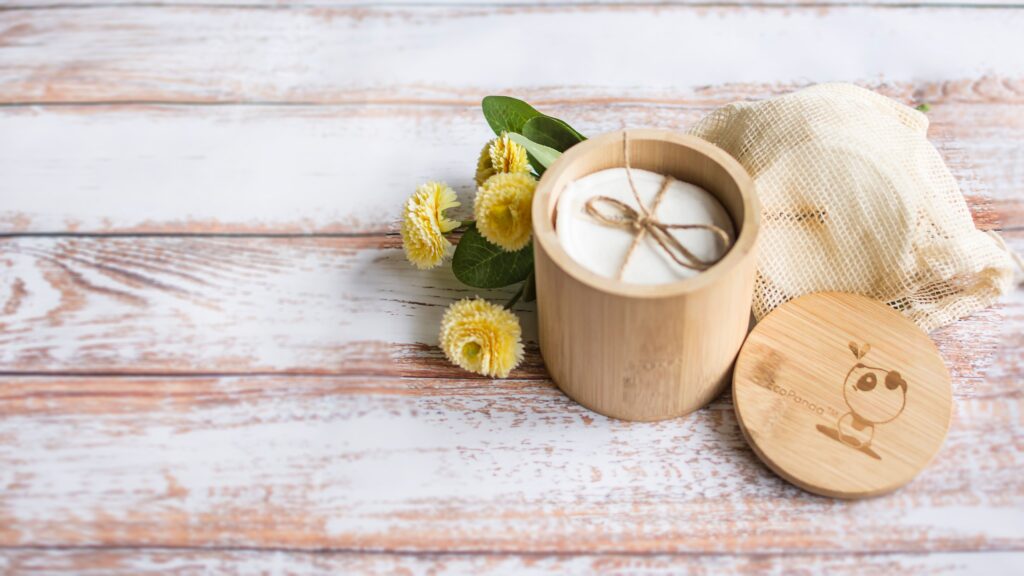
Why Bamboo Packaging Is Growing in Demand
Bamboo is one of the fastest-growing renewable resources on Earth. Unlike hardwood trees that require decades to mature, bamboo can regenerate naturally within 3–5 years without replanting.
Businesses across industries choose bamboo packaging because it offers:
- Sustainable sourcing
- Premium appearance
- Strong durability
- Lightweight design
- Excellent customization options
- Reduced reliance on petroleum-based plastics
Consumers increasingly expect brands to demonstrate environmental responsibility, making bamboo packaging an attractive marketing advantage alongside its environmental benefits.
Industries That Use Bamboo Packaging
Bamboo packaging has expanded well beyond eco-friendly brands.
Industries using wholesale bamboo packaging include:
| Industry | Common Products |
| Cosmetics | Cream jars, lotion bottles, serum containers |
| Skincare | Facial oil bottles, bamboo caps, cosmetic tubes |
| Food & Beverage | Tea containers, dry food packaging |
| Wellness | Essential oil packaging, aromatherapy products |
| Luxury Retail | Premium gift boxes |
| Candles | Bamboo lids and decorative packaging |
| Personal Care | Deodorant tubes, shampoo packaging |
| Home Decor | Storage jars and organizers |
Benefits of Buying Bamboo Packaging Wholesale
1. Lower Cost Per Unit
Wholesale purchasing reduces manufacturing costs significantly.
Instead of paying retail prices, businesses receive factory pricing that becomes more economical as order volume increases.
2. Consistent Product Quality
Working with one supplier helps maintain:
- Uniform colors
- Matching finishes
- Consistent dimensions
- Reliable material quality
This consistency strengthens brand identity and customer trust.
3. Better Customization Options
Wholesale suppliers typically offer:
- Laser engraving
- Silk-screen printing
- UV printing
- Embossing
- Debossing
- Custom colors
- Logo printing
- Private labeling
Customization helps brands create unique shelf appeal.
4. Faster Production for Repeat Orders
Once molds and artwork are approved, repeat orders generally require less preparation time, helping businesses maintain inventory more efficiently.
5. Strong Brand Positioning
Consumers often associate bamboo packaging with:
- Sustainability
- Premium quality
- Natural beauty
- Environmental responsibility
These perceptions can enhance a brand’s value and differentiate products in competitive markets.
Types of Bamboo Packaging Available Wholesale
Wholesale bamboo packaging comes in numerous styles depending on product requirements.
Popular options include:
Bamboo Cosmetic Packaging
- Cream jars
- Lotion bottles
- Serum bottles
- Face mask containers
- Cosmetic caps
Bamboo Food Packaging
- Dry food containers
- Tea storage jars
- Spice containers
- Coffee packaging
Bamboo Gift Packaging
- Luxury boxes
- Jewelry packaging
- Corporate gift boxes
- Promotional packaging
Bamboo Household Packaging
- Storage containers
- Candle lids
- Bathroom accessories
- Kitchen organizers
What Buyers Should Check Before Ordering
Material Quality
Not all bamboo packaging is identical.
Ask suppliers about:
- Bamboo species
- Moisture content
- Surface treatment
- Crack resistance
- Mold prevention
- Anti-fungal treatment
Higher-quality bamboo undergoes drying and finishing processes that improve durability and appearance.
Manufacturing Process
Reliable manufacturers usually have:
- CNC machining
- Precision cutting
- Sanding and polishing
- Surface coating
- Quality inspection
These processes help ensure accurate dimensions and smooth finishes.
Certifications
Reputable suppliers should provide certifications demonstrating product safety and responsible sourcing where applicable.
Common certifications include:
- FSC Chain of Custody (for applicable wood or bamboo sourcing systems)
- ISO 9001 (Quality Management)
- ISO 14001 (Environmental Management)
- BSCI Social Compliance (where applicable)
- REACH compliance (for relevant materials)
- Food-grade testing reports (for food-contact packaging)
- Cosmetic compatibility testing (for cosmetic packaging)
Always request documentation before placing large orders.
Minimum Order Quantity (MOQ)
Every supplier sets different minimum order quantities.
Typical wholesale MOQs range from:
| Product | Typical MOQ |
| Bamboo jars | 500–1,000 pcs |
| Bamboo bottles | 1,000 pcs |
| Bamboo caps | 2,000 pcs |
| Gift boxes | 300–500 pcs |
Some manufacturers also offer lower MOQs for startups, though pricing may be higher.
Customization Options Buyers Should Consider
Customized bamboo packaging strengthens brand recognition.
Popular customization services include:
- Company logo engraving
- Custom dimensions
- Pantone color matching
- Matte finish
- Gloss finish
- Natural oil coating
- Printed labels
- QR codes
- Product information printing
- Custom inserts
Before production begins, request digital mockups or physical samples for approval.
Sample Orders Matter
Never place a large wholesale order without reviewing samples.
A sample allows buyers to evaluate:
- Finish quality
- Material consistency
- Lid fitting
- Printing accuracy
- Color matching
- Product compatibility
- Durability
Testing samples can prevent expensive production mistakes.
Questions Buyers Should Ask Suppliers
Before selecting a supplier, ask:
- What bamboo species is used?
- Where is the bamboo sourced?
- What certifications do you hold?
- Can you provide testing reports?
- What is your production capacity?
- What are your lead times?
- Do you offer OEM or ODM services?
- Can you customize packaging?
- What quality inspections are performed?
- How are products packed for export?
Professional suppliers answer these questions clearly and provide supporting documentation.
Shipping and Logistics
International buyers should understand shipping options before confirming an order.
Consider:
- FOB pricing
- CIF pricing
- EXW pricing
- Air freight
- Ocean freight
- Packaging protection
- Export documentation
- Customs clearance requirements
Discuss shipping timelines early to avoid delays.
How Pricing Is Calculated
Wholesale bamboo packaging pricing depends on several factors:
- Material grade
- Packaging size
- Customization
- Printing requirements
- Order quantity
- Surface finishing
- Mold costs
- Shipping destination
Larger orders generally result in lower unit costs.
Common Mistakes Buyers Should Avoid
Many first-time buyers focus only on the lowest price.
Avoid these common mistakes:
- Choosing suppliers without certifications
- Ignoring sample testing
- Overlooking shipping costs
- Not reviewing customization proofs
- Failing to verify production capacity
- Ordering without a written quality agreement
- Ignoring lead times
- Skipping product compatibility tests
A slightly higher upfront investment in a reliable supplier often saves money by reducing defects, delays, and returns.
How to Choose the Right Wholesale Bamboo Packaging Supplier
A dependable supplier should demonstrate:
- Experience in bamboo packaging manufacturing
- Transparent communication
- Positive client references
- Consistent quality control
- Strong customization capabilities
- International shipping experience
- Flexible production capacity
- Responsive after-sales support
Reviewing product samples, requesting certifications, and confirming quality assurance procedures are essential steps before signing long-term supply agreements.
Frequently Asked Questions
Is bamboo packaging environmentally friendly?
Yes. Bamboo is a rapidly renewable material that grows much faster than traditional timber and can be harvested sustainably when responsibly managed.
Is bamboo packaging suitable for cosmetics?
Yes. Bamboo is widely used for cosmetic packaging, including cream jars, lotion bottles, serum containers, and decorative caps. The product formula is typically stored in an inner container made from materials compatible with cosmetics, while bamboo serves as the exterior shell or closure.
Can wholesale bamboo packaging be customized?
Yes. Most manufacturers offer logo engraving, custom sizes, printing, color finishes, and private labeling.
What is the usual MOQ?
Most wholesale suppliers require between 500 and 2,000 pieces, depending on the product and customization level.
Is bamboo packaging durable?
Yes. Properly processed bamboo is strong, lightweight, and suitable for many consumer packaging applications when manufactured and finished correctly.
Conclusion
Wholesale bamboo packaging offers businesses an excellent opportunity to combine sustainability, premium branding, and long-term value. However, successful sourcing depends on more than finding the lowest price. Buyers should evaluate material quality, certifications, customization capabilities, production standards, and supplier reliability before committing to a wholesale order.
By requesting samples, verifying compliance documents, understanding shipping terms, and partnering with an experienced manufacturer, businesses can reduce risk while delivering packaging that reflects both quality and environmental responsibility. As demand for eco-conscious products continues to grow, investing in well-designed bamboo packaging can strengthen brand reputation and help meet evolving customer expectations.