
Paper packaging needs to do more than hold a product. It must protect its contents, support clear printing, and remain practical during storage and transport. Plain paper cannot meet every requirement on its own. Water-soluble polymers help manufacturers improve paper surfaces and develop functional coatings. Among these materials, polyvinyl alcohol offers useful film-forming, binding, and barrier properties. It gives packaging developers another way to combine the familiar appearance of paper with performance suited to specific products.
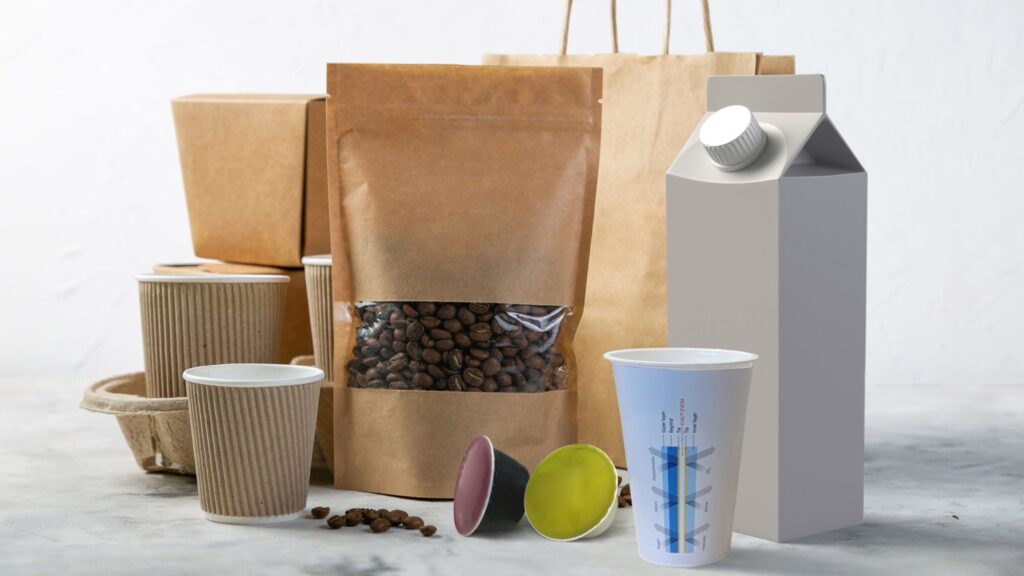
Polyvinyl alcohol, often called PVOH or PVA, is a synthetic polymer that dissolves in water under suitable processing conditions. Manufacturers can prepare a water-based solution, apply it to paper, and dry it to form a film. However, choosing a polymer involves more than checking whether it dissolves. The selected grade, formulation, and application conditions must work together. Kuraray Poval and Elvanol are part of Kuraray’s portfolio of polyvinyl alcohol materials used across paper and other industrial applications.
One important benefit is resistance to oil and grease. Unprotected paper can absorb oily substances, leaving visible marks and affecting package appearance. A suitable polymer coating can help limit this movement through the paper surface. Kuraray identifies grease-resistant paper and dry food packaging among the applications for its barrier materials. For packaging developers, this creates opportunities to explore coated paper for products that need more protection than an untreated sheet can provide. Performance still needs confirmation on the finished package.
Oxygen protection is another reason to consider polyvinyl alcohol. Oxygen exposure can affect the quality of sensitive products, so packaging designers may need a barrier that slows its passage. Kuraray describes PVOH as offering strong oxygen-barrier properties. However, manufacturers should not assume that a coating automatically delivers a particular shelf life. The complete package, including folds, seals, and openings, needs evaluation. Testing should reflect the actual product and its expected storage conditions before any freshness claim is made.
Water-soluble polymers also support better surface quality. In paper coatings, binders help hold coating ingredients together and attach them to the sheet. Kuraray reports that its PVOH materials can improve surface strength, printability, and the binding of fillers. These properties matter because packaging must communicate clearly as well as protect. A manufacturer developing a printed carton, for example, should evaluate how the chosen coating works with the paper, printing process, and intended finish rather than judging appearance alone.
Elvanol brings a useful processing feature to this discussion. According to Kuraray, its particle structure allows it to dissolve in continuous cooking processes designed for starch, where standard polyvinyl alcohol materials may remain undissolved. This can be relevant when paper coating formulations combine PVOH with starch. The benefit is a potential route to improved processing compatibility, rather than a promise that every factory can use the same setup. Grade selection and operating conditions should be reviewed with technical support.
Successful development starts with a clear packaging brief. A dry product and a greasy product may need different protective features. Manufacturers should define the intended contents, storage period, transport conditions, printing needs, and target coating weight before comparing formulations. Trials can then focus on measurable goals. Instead of asking whether one polymer is universally better, the useful question is whether a selected formulation meets the requirements of a particular package consistently and at an acceptable production cost. Keeping detailed trial records also helps teams compare options and repeat successful results.
Production trials should also examine the finished shape. A coating that performs well on a flat laboratory sample may behave differently after folding, creasing, or sealing. Developers should inspect these areas and repeat barrier measurements where appropriate. They should also record preparation time, coating uniformity, drying needs, and waste during trials. This approach makes comparisons more useful because it connects material selection with real manufacturing conditions. Reliable results come from testing the package as it will actually be used.
Environmental claims need the same care. Water solubility alone does not demonstrate that a finished package is recyclable, compostable, or biodegradable in every setting. Kuraray notes that PVOH biodegradation depends on suitable conditions. Packaging developers should therefore assess the whole structure and obtain evidence for any disposal claim. Paper, coatings, inks, adhesives, and local collection arrangements all deserve consideration. Clear, specific statements help customers understand what to do with the packaging and avoid creating expectations that the available evidence cannot support.
Water-soluble polymers support innovation by giving paper packaging additional functions through carefully designed coatings. Polyvinyl alcohol can contribute binding strength, surface improvements, and barriers against oxygen and grease, while Elvanol offers processing characteristics worth exploring in suitable paper applications. The strongest development strategy combines these material benefits with practical trials and realistic performance targets. By working with technical specialists and validating the complete package, manufacturers can create paper packaging that answers product needs while supporting informed choices about materials, production, and disposal